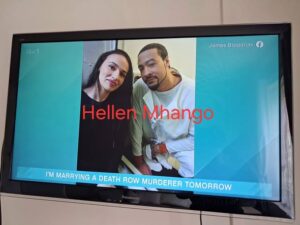
Love, Justice, and the Death Penalty: Case of James Broadnax and Tiana Krasniqi
The case of James Broadnax and Tiana Krasniqi sits right at the intersection of law, emotion, and public conscience—which is why it’s generating such strong reactions.
From a justice system perspective, cases like this tend to raise a few key concerns:
- Fair trial standards – If there are credible questions about how evidence was handled, legal representation, or jury decisions, many people believe those deserve careful re-examination—especially in capital cases.
- Irreversibility of the death penalty – Execution is final. That alone makes even small doubts feel significant to many observers.
- Consistency in sentencing – People often question whether similar cases receive similar outcomes.
From a human perspective, Tiana Krasniqi’s role changes how people engage with the story:
- Her advocacy puts a face and emotional narrative to someone many would otherwise only see as a case file.
- Their relationship challenges people to think about redemption, connection, and whether a person can be more than their worst moment.
- It also raises complicated questions—some see her efforts as compassionate and courageous, while others struggle with empathy in cases involving serious crimes.
Then there’s the broader societal debate:
- Supporters of the death penalty often argue it serves justice and closure.
- Opponents argue the risk of error, bias, or unfair trials makes it too dangerous to use.
- Cases like this amplify ongoing discussions about systemic fairness, legal safeguards, and moral responsibility.
My grounded take is this:
When a case involves the death penalty and there are public concerns about fairness, transparency becomes critical. Even people who strongly support capital punishment often agree that every such case should be scrutinized as thoroughly as possible before any irreversible action is taken.
At the same time, it’s important not to lose sight of all sides involved—including victims and their families, whose voices are sometimes less visible in public narratives like this.